








 25 Nov 2025

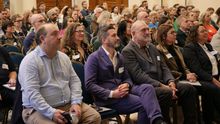
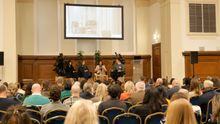
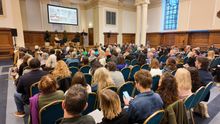
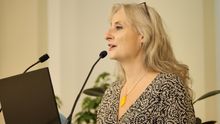
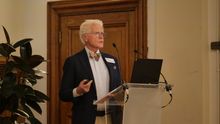
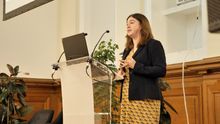
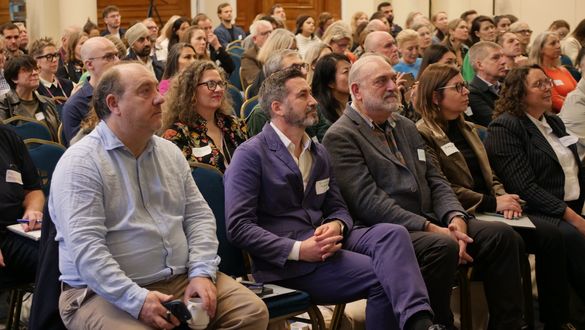
Over 200 change makers descended from all over the world on Westminster for the second Biophilic Design Conference, powered by the Journal of Biophilic Design, marking a pivotal moment in the Design world.
Under the theme 'Policy, Place, Planet – Biophilic Design for a Regenerative Future,' the one-day event united over 35 speakers, 20 innovator exhibitors, and more than 400 international designers, practitioners, researchers, psychologists, architects - in person and online - in an inspiring day of dialogue, innovation, and action. Located in the heart of Government just steps from Parliament, at Central Hall Westminster, the Biophilic Design Conference successfully delivered its aims to shift perception and inspire action at the highest levels.
“The conference was more than an event. It was a turning point. A moment where designers, architects, planners, policymakers, scientists, investors, educators, psychologists, ecologists, and creators gathered to acknowledge something fundamental: Biophilic Design is not optional anymore. It is critical.” Vanessa Champion, Founder of the Journal of Biophilic Design and the Biophilic Design Conference.
This year's conference focused on real-world case studies. From immersive experiences to evidence-based insights, the conference showcased how biophilic principles can transform cities, workplaces, healthcare, and education. Attendees explored topics spanning urban governance, sensory design, architecture, mental health, eco-urbanism, and material innovation, all aimed at reconnecting people with nature and driving systemic change. And innovators and practitioners, who are already designing biophilic cities, shared how wildlife has returned, air and water quality improved, mental and physical health is supported, and communities are thriving. The cross-sector audience included healthcare, education, urban design and planning, sustainability, hotels, tourism, designers, architects, construction and landscapers.
The afternoon was opened by Alex Mayer MP, member of the Transport Select Committee and Chair of the All Party Group for Woods and Trees. A long-standing environmental campaigner, she has worked on retrofit and low-carbon policy and led major initiatives on animal welfare. Alex shared a vision for creating greener, fairer and more connected places, championing community safety and sustainable design that supports healthier living and thriving local environments across towns, cities and rural areas alike.
“For too long, our built environment has been shaped by efficiency over empathy, speed over stewardship, profit over planet. Cookie-cutter housing. Streets without shade or green. Developments that scrape away the very soil that nourishes us — soil that feeds us, sustains us, holds ecosystems together, and cleans our air. This is not the future. This cannot be the future,” Vanessa added.
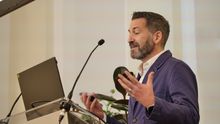
The rhythm of the day was impactful and focused with a mix of over 35 mini-TED talks, panel discussions and debates on a wide spectrum of themes including governance, sensory design, planning, the economics of biophilic design, wellbeing, Eco urbanism and biomaterials. Speakers included Steve Nygren, president and founder of Serenbe Wellness Community who shared lessons from Serenbe, demonstrating how biophilic communities enhance wellness. Dr Sally Augustin revealed the benefits of biophilia in neuroscience including an 8% reduction in stress and measurable gains in productivity when biophilia is integrated effectively. Oliver Heath challenged design silos, advocating for ecosystems of wellbeing and collaboration across sectors. Nick Grayson spotlighted Birmingham's leadership as the UK's first “City of Nature,” embedding biophilia into governance and environmental justice, and Tye Farrow of Farrow Partners Architects introduced the concept of Salutogenesis, urging architects to design spaces that actively construct health rather than remain neutral.
In addition to the keynotes, the day included three topic led sessions that focused on The Biophilic City, Biophilic Health and the Biophilic Sensory Experience.
The Health & Wellbeing Focus included NHS leaders and practitioners showcasing nature-based interventions in mental health services, while innovators like Emma Moody and Sumita Singha OBE demonstrated biophilic design in clinical settings and participatory projects. Sessions revealed how biophilic design delivers tangible returns, from reducing sick leave costs (estimated at £85 billion annually) to mitigating flood-related penalties and boosting property values, with Kimberly Tryba (MD LILA Studio) outlining five ways biophilia drives economic value, reinforcing its role as a strategic investment.
The Biophilic City session explored how urban governance and design can embed nature at the heart of decision-making. Nick Grayson highlighted Birmingham's pioneering role as the UK's first “City of Nature,” while Joanna Yarrow and Rob Delius shared strategies for creating healthier, climate-resilient cities through biophilic planning and material innovation. Landscape architect Luke Engleback emphasized edible landscapes and community-led eco-urbanism to combat loneliness and foster social cohesion.
The Sensory Experience session focused on how sound, light, and colour shape wellbeing. Julian Treasure urged designers to 'design with your ears', while Chris Bellamy showcased biophilic sound scaping projects that soothe the nervous system and boost productivity. Frankie Boyle and Ulysse Dormoy demonstrated how lighting and colour choices influence mood and circadian rhythms, reinforcing that sensory design is integral to creating spaces where people can thrive, and William Knight, of Material Matters, introduced the latest innovation in biomaterials.
Directing the mood of the hall, immersive experiences included a Virtual Nature Zone, Moodsonic sound scaping, and engaging with the Biophilic Pharmacy pop-up, receiving “prescriptions” for nature-based solutions.
“Imagine instead what we can build: Communities that reduce loneliness, places that honour the land rather than erase, neighbourhoods that support multi-generational life, workplaces that nurture creativity and wellbeing, schools that help children flourish, healthcare spaces that heal by design, cities where nature is not an afterthought, but a foundation. Sometimes you do something not because it fits a spreadsheet, not because it makes sense to anybody else — but because it is ethical, and it is right, and because to do nothing would cause harm. I was humbled by the turn out of practitioners, thought leaders and academics. Thank you to all who came. Together we are making a difference to people, planet and policy.”
With climate urgency and shifting social priorities, the Biophilic Design Conference 2025 armed all participants with a breadth of content across design, planning, ecology, health, education, and policy to truly question how Biophilic Design can become the foundation for how we live, build, govern and grow, to lead the change and help define what comes next.
//END//
DETAILS
- The Biophilic Design Conference 2025 Watch on Catch up- click here
- Full list of speakers – click here
- Full list of exhibitors and links - click here
- Journal of Biophilic Design membership – click here
- Biophilic Design Podcast – click here •
- Sponsor details – click here
- Press pack and images – click here
( Photo Credit : Oz Video Production)
For media inquiries, interviews, or more information, please contact:
editor@journalofbiophilicdesign.com or caroline@informare.co.uk